The Discovery Journal by Third Space
Exploring an endless range of topics with curiosity, evidence, and thoughtful conversation.

It started with one question… What makes a community feel like home? That question led to countless conversations among friends and family. Those conversations revealed how much there is to learn about people, places and the world we share.
The Discovery Journal is where we will share our efforts to learn, grow and plan. It’s not a news site, an academic publication, or a collection of finished answers. This is an ongoing journal of curiosity - a place to gather ideas, explore evidence, document observations and reflect on how our understanding can change over time as we expose ourselves to diverse information.
We will explore current events, history, science, observations, health, architecture, urban design, or community life. Every entry is a step towards learning together and building a community of people that want to change their environments and help shape their future.
If something sparks a thought or encourages a conversation, we’d love to hear from you.
What to expect - periodic entries including:
The Pulse - Current events, trends and hot topics that help better understand the world around us.
Looking Back - History, inventions, architecture, people and ideas that helped shape our world.
Observations and research - Small moments, everyday experiences, research and discoveries that remind us to pay attention and follow the evidence.
Thinking Carefully - Thoughtful questions that expanded our own way of thinking.
August 16, 2026
Research - Book - Crucial Conversations by Kerry Patterson
Better outcomes often begin with learning how to stay thoughtful when a conversation becomes difficult…
Ever had a conversation where the stakes are high, opinions differ, and emotions are strong? Yeah…Me too…Not fun for a pleasant and generally quiet person.
Historically, I became a worse communicator right when clear and effective communication mattered the most. Whenever I felt threatened I would immediately withdraw into silence or become angry, stressed, unclear or sarcastic.
I overheard two people at a gathering discussing how this book had helped them learn to communicate effectively and so I thought I should check it out.
The book has a central idea that really resonates with me: many of us become worse communicators when it matters the most, I am not alone and there are ways to become better at having crucial conversations.
The goal isn’t to become emotionless or agreeable. It’s about learning to remain present in the conversation even when the disagreement or conversation becomes uncomfortable. Below are some key takeaways that I feel have really improved my overall communication skills.
~ Before trying to fix the other persons behaviors, ask yourself what you want to achieve by having this conversation. For yourself? For this person? For the relationship? And more importantly: How should I behave if that’s what I actually want?
~ Make it safe enough to disagree. People don’t always become defensive because of the disagreement itself, sometimes things escalate because there is a perceived threat to their purpose or lack of mutual respect. Establishing safety and maintaining composure can make productive disagreement much more possible.
~ Understand facts vs the story that you have built around the facts. This is a hard skill but an important one and it can be achieved through working backward: What actually happened, what meaning did I assign to it, and is there room for other explanations than the story I have built around the events?
~ Now for the conversation…STATE your path
S=Share your facts starting with the least controversial one and work your way up as needed
T = Tell your story, which is how you are interpreting those facts
A=Ask for other’s paths, inviting their perspective
T=Talk tentatively, your interpretation is not unquestionable truth
E=Encourage testing by making it safe for them to disagree with you.
~ Make sure you notice when dialogue has broken down. Doing so in the moment can be hard but as you keep practicing you will get better. Someone becoming quiet, becoming aggressive, or if you’re preparing your rebuttal instead of listening, the dialogue is breaking down and needs to be restored with a pause or acknowledgment and a redirect.
~ Master your stories - this is where you will likely need to read the book for yourself as the book describes several seductive stories that we like to tell ourselves during conflicts: stories that make us entirely innocent, make someone else the total bad guy or make the situation seem unavoidable. You have to be able to identify them and train yourself to find the facts and focus on them.
My takeaway from the book is: When a conversation becomes difficult…Become more curious….Not more certain… and think before you speak.
The moment you’re convinced that you understand someone else’s motives is often the moment you most need additional information.
If you have read a book that you would like to share an article about, or would like to discuss this book, click the participate button below.
Cheers to thinking carefully ~

Today’s Pulse - Meeting friends is tough.
When you think of municipal infrastructure, roads, water pipes, sewer lines and power systems probably come to mind.
But what about social infrastructure such as libraries, parks, plazas, recreation centers and cultural meeting spaces.
We have them, many of us use them. But do we have enough of the right kind of spaces, in the right places?
Think about how naturally friendships formed when we were young. School, playgrounds, sports and neighborhood parks repeatedly put us around the same people. As adults, where do we go to recreate that kind of regular, low-pressure contact?
Las Vegas and Clark County’s own planning documents suggest there is room to improve.
Clark County’s Master Plan acknowledges that amenities aren’t equally accessible throughout the region and that newer neighborhoods have sometimes been built without parks, and common open spaces nearby. It also identifies interest in more small scale community spaces where residents can create and share art, music and other cultural activities.
Then there’s the heat…
Parks and trails are valuable social infrastructure, but extreme temperature can limit when we can comfortably use them. A 2025 City of Las Vegas neighborhood assessment specifically identifies indoor public spaces as important in our hot climate calls for indoor civic amenities for gathering, exercise, culture and refuge from the extreme heat.
Progress is happening. The share of City of Las Vegas housing within a half mile of a public park increased from 56% in 2020 to 62% in 2025 with a goal of 85% by 2050.
Parks are only one part of social infrastructure. As Las Vegas continues to mature, there may be an opportunity to think differently about the places where everyday community happens - particularly in a climate that keeps us indoors for part of the year.
Could government, nonprofits and private development all play a role in creating these places?
August 14, 2026

Thinking Carefully -
Previous thought:
If you could step into a place that made you instantly feel calmer, healthier, and more curious…
What would you notice first?
Have you ever visited somewhere that made you think…Every city should have this!
We would love to hear your thoughts. If you’d like to join the conversation, click the “participate” button at the bottom of the page.
Previous thoughts response:
For this response, we’re focusing on man-made, climate controlled (mostly) spaces, since that was the direction of our last question.
When thinking about places that have made us feel calmer, healthier or more curious, something interesting emerged: the places themselves have very little in common. What they share is what they are designed to make you do.
They make you want to wander.
They reward looking around the corner.
They offer more than one reason to be there.
They create little moments of surprise, discovery or playful joy.
Most importantly, they don’t make you feel as though you need to complete a transaction and leave.
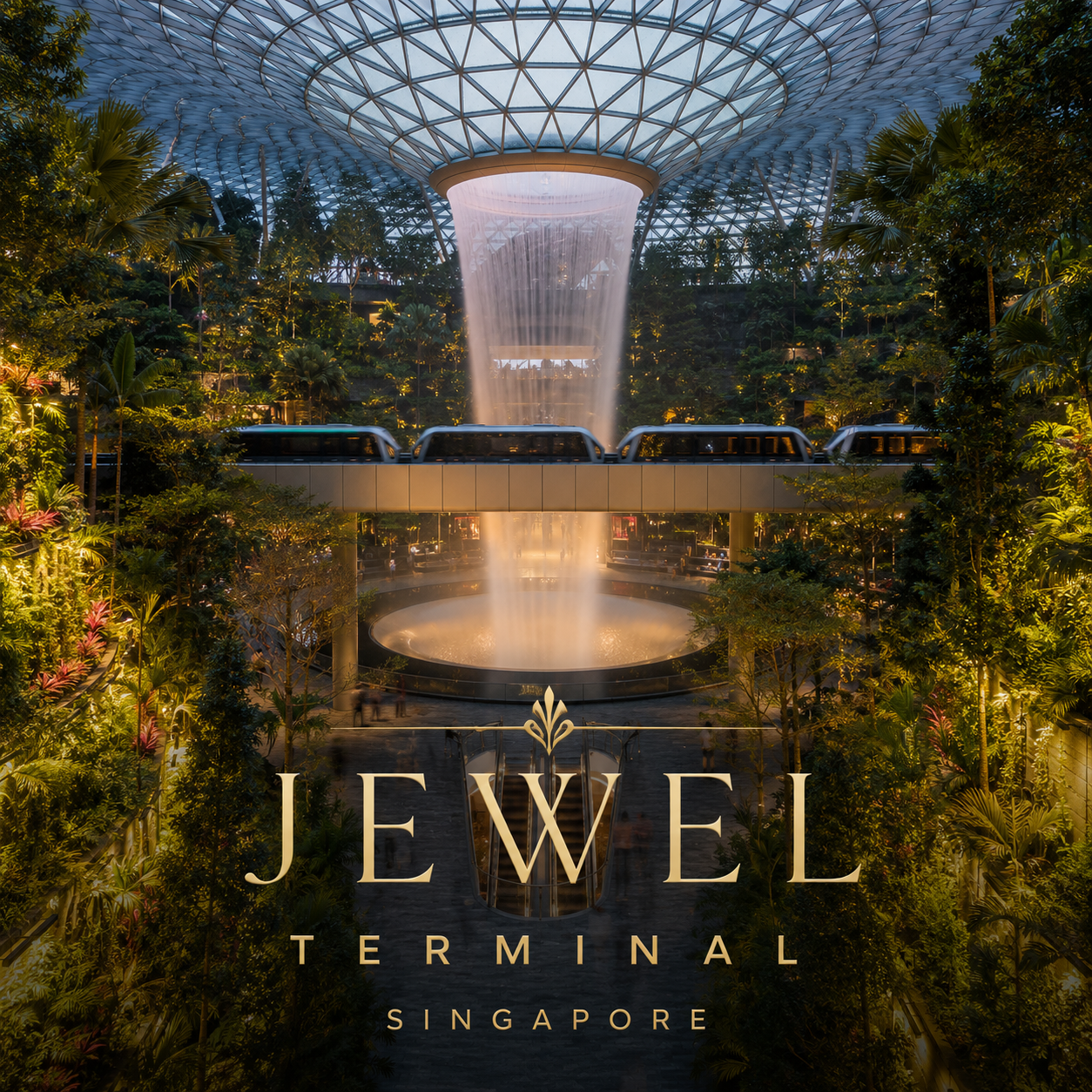
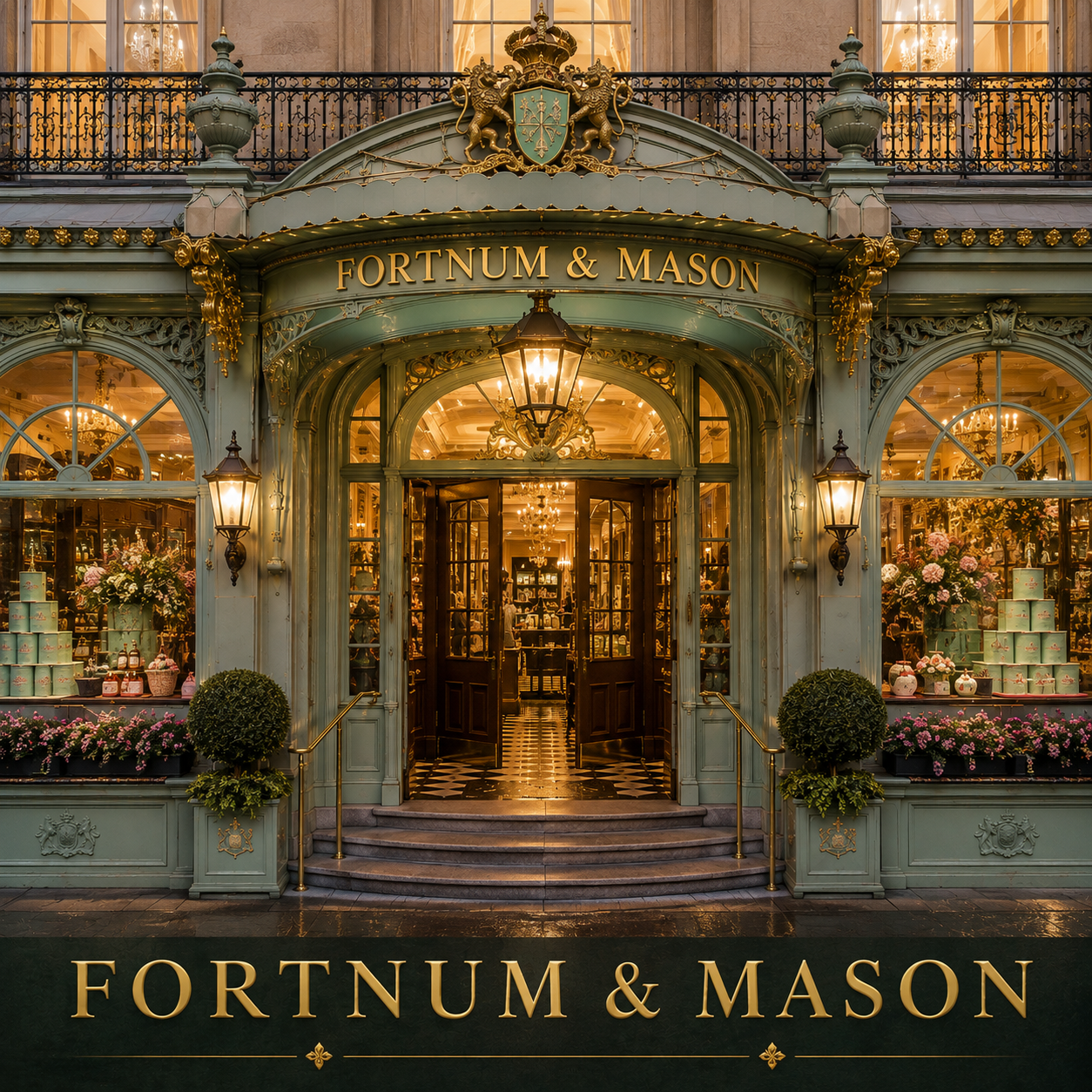
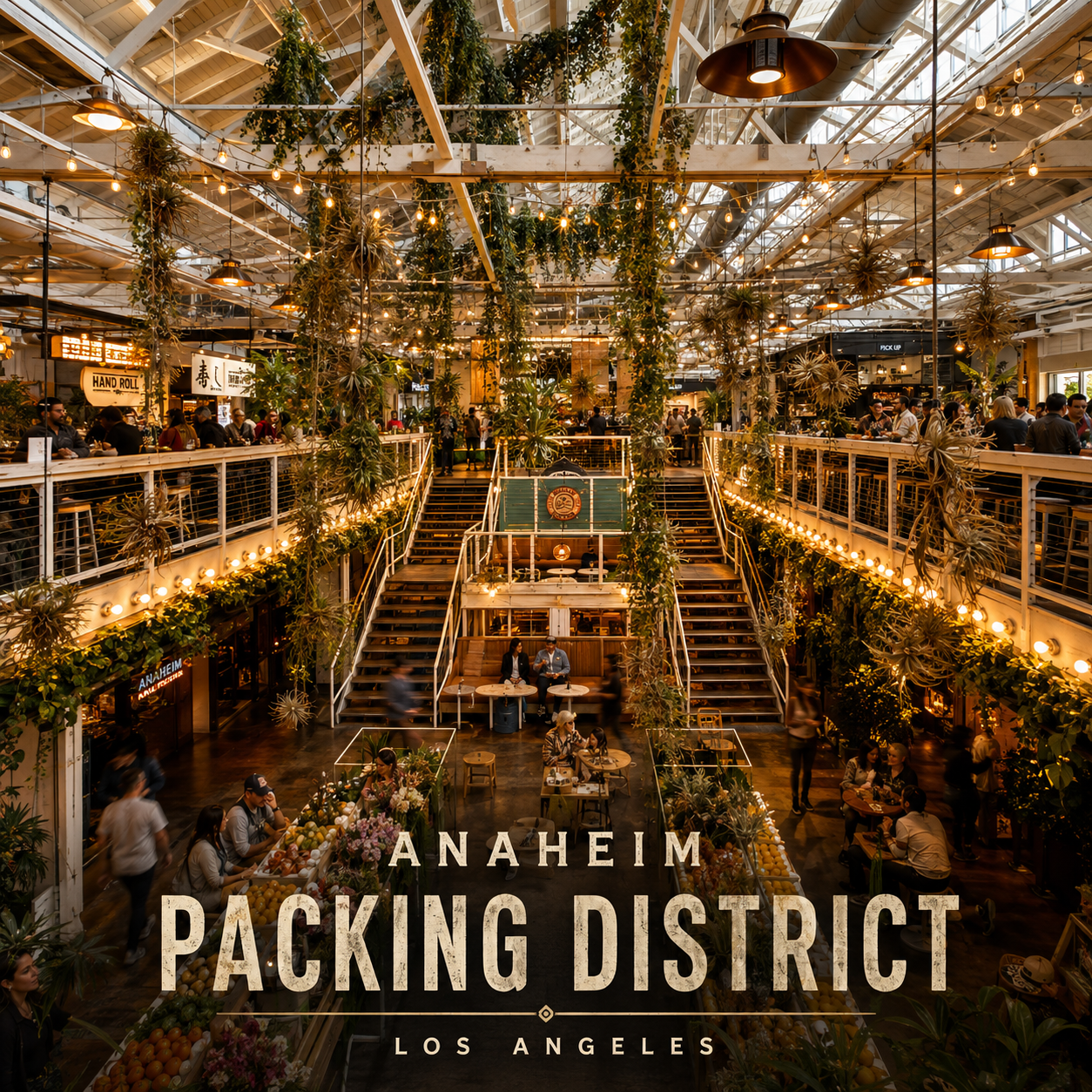
Think of places like Fortnum & Mason in London, Jewel Changi airport and Singapore’s indoor gardens with skywalks, Miniatur Wunderland in Hamburg, the Getty in Los Angeles, Pike Place Market in Seattle, Anaheim Packing District, or the underground food -halls and shopping spaces in Singapore.
An airport, a museum, a miniature world, a market, a food-hall, a department store.
They weren’t built for the same purpose, yet each manages to turn ordinary activities- walking, eating, shopping, waiting or learning into an experience.
Light, architecture, sound, food, people and unexpected discoveries give us reasons to slow down, look around and stay a little longer.
Maybe that’s part of what turned a space into a place people love: not one spectacular feature, but thoughtful details working together to make being there worthwhile.
There are surely hundreds of places around the world, what place would you add to this list.
Cheers to thinking carefully~

Todays Pulse - It’s HOT!!!!
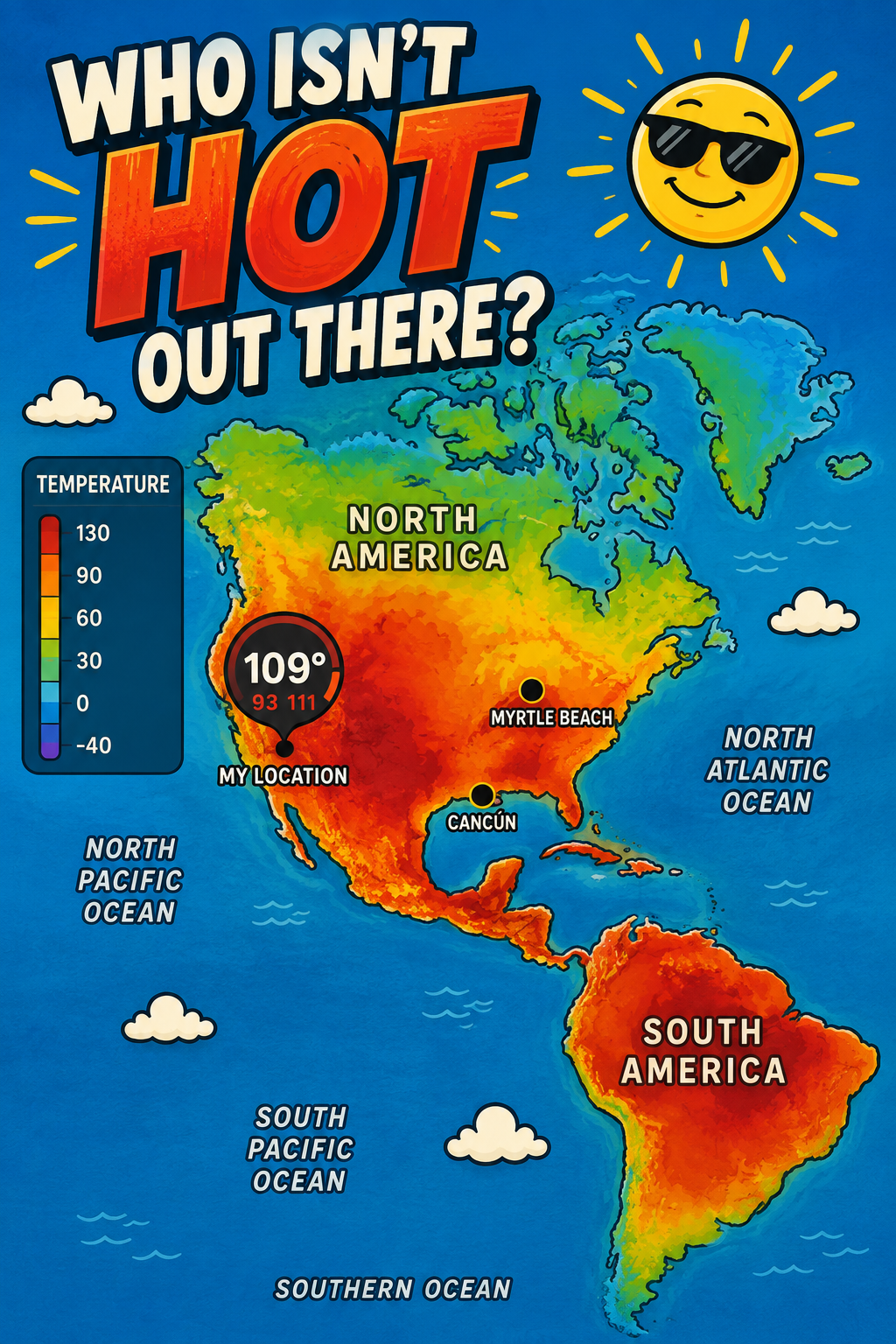
Around the world, researchers continue to discover that extreme heat is killing far more people than official statistics show. Many people die from heart attacks, strokes, kidney failure, or respiratory illness triggered by heat rather than from “heat” itself. This makes the true impact of heat waves unclear until mortality data is observed months later.
When we hear about a heat wave, we often think about discomfort. Public health experts are increasingly asking a different question: how many vulnerable people quietly wont survive this heat wave.
Heat doesn’t just make people uncomfortable. It also limits physical activity, and places additional strain on older adults and people with chronic health conditions.
One question this raises is whether communities should invest more in places that allow people to remain active, connected and safe regardless of weather. Climate-controlled walking spaces, cooling centers, shaded parks, and other resilient infrastructure may become more increasingly valuable as extreme weather becomes more common in many parts of the world.
At Third Space, we find these questions worth exploring because our mission is rooted in designing communities that help people thrive - not only on perfect days, but on the difficult ones as well.
Thinking Carefully -
If you could step into a place that made you instantly feel calmer, healthier, and more curious…
What would you notice first?
Have you ever visited somewhere that made you think…Every city should have this!
We would love to hear your thoughts. If you’d like to join the conversation, click the “participate” button at the bottom of the page.
Cheers to thinking carefully~
August 03, 2026